
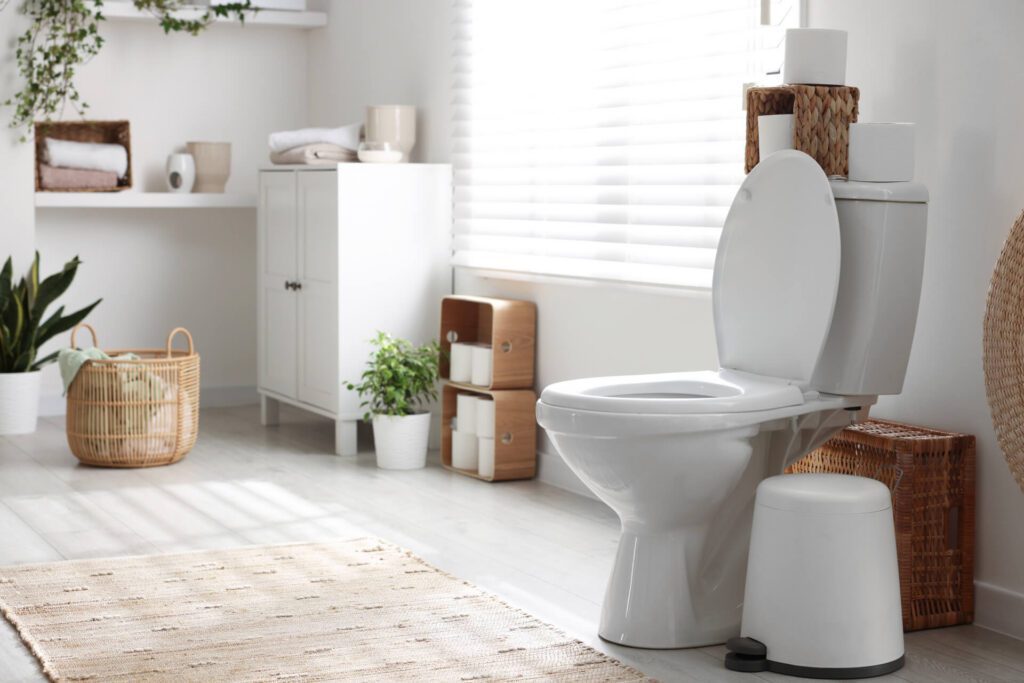
You walk into the bathroom first thing in the morning, flip on the light, and suddenly notice a strong sewage smell coming from the sink, shower drain, or toilet. Maybe it comes and goes, gets worse after flushing, or only shows up during Arizona’s hotter months. No matter when it happens, it’s usually a sign that something in your plumbing system needs attention.
At Target Plumbing, our licensed plumbers have spent over 10 years helping Arizona homeowners solve sewer odor and drain problems. In many cases, the problem is something simple like a dry P-trap or drain buildup. Other times, it may point to a damaged vent, failing toilet seal, or sewer line issue that needs professional repair.
In this guide, we answer the question, “Why does my bathroom smell like sewage?” We’ll cover the 6 most common causes of bathroom sewage smells, how to troubleshoot them safely, and when it’s time to call a professional.
What Causes Sewage Smells in Bathrooms?
Sewer smells in the bathroom are usually a result of sewer gas escaping from your plumbing system.
Understanding Sewer Gas and Why It’s Dangerous
Sewer gas forms when waste breaks down inside the drain and sewer lines. Hydrogen sulfide produces the strong, rotten-egg smell most homeowners notice. Methane and other gases can also build up when plumbing systems are not venting properly.
In higher concentrations, sewer gas can become dangerous, causing headaches, nausea, or irritation. If odors continue, ventilate the area and contact a licensed plumber.
How Your Bathroom’s Plumbing System Works
Your plumbing system is designed to keep sewer gases out of your home using P-traps, vent stacks, and sealed drain lines. When one component fails, odors can enter through sinks, tubs, showers, or toilets.
Here’s what each component does:
- P-traps hold water to block sewer gas
- Vent stacks regulate air pressure in drains
- Drain lines carry wastewater safely away
- Toilet wax rings seal the toilet base
- Plumbing vents release sewer gases outdoors
Arizona homes often deal with faster P-trap evaporation due to extreme heat.
6 Most Common Causes of Bathroom Sewage Smells
Why does my bathroom smell like sewage? These are the six most common culprits:
1. Dry P-Traps (Most Common Cause)
A P-trap is the curved pipe under sinks, tubs, and drains. It holds a small amount of water to block sewer gases from entering your home. When the water evaporates, odors can escape through the drain.
Here’s what to look for:
- Smell coming from sinks, tubs, or floor drains
- Fixtures that haven’t been used recently
- Stronger odors during hot Arizona weather
- The smell disappears after running water
How to Fix It: Run water for 30–60 seconds to refill the trap and solve the problem.
2. Damaged or Loose Wax Ring Under Toilet
If your toilet smells like sewer near the base, a damaged wax ring could be the issue. Wax rings create an airtight seal between the toilet and the drain pipe.
Here’s what to look for:
- Odor strongest around the toilet
- Toilet rocking or moving slightly
- Water is pooling near the base
- Smell worsening after flushing
How to Fix It: Schedule wax ring replacement with a licensed plumber.
3. Clogged or Blocked Vent Stack
Vent stacks help sewer gases escape safely through your roof. When blocked, pressure problems can cause odors to back up into your bathroom.
Here’s what to look for:
- Gurgling drains or toilets
- Slow-draining sinks or tubs
- Smells affecting the upstairs bathrooms
- Odors after storms or monsoon weather
How To Fix It: Check for debris, leaves, or bird nests. Schedule professional removal if unsafe to do so yourself.
4. Cracked or Damaged Pipes
Damaged sewer lines can allow sewage odors to escape behind walls or under floors. Arizona soil movement and older plumbing systems can increase the risk of pipe damage.
Here’s what to look for:
- Persistent sewage smells
- Water stains or moisture damage
- Increased water bills
- Foundation cracks or soft flooring
- Multiple plumbing problems at once
How to Fix It: Hidden pipe damage often requires professional plumbing services for proper diagnosis and repair.
5. Biofilm Buildup in Drains
If you are wondering, “Why does my bathroom sink smell like sewage?” it may not actually be sewage gas. Bacteria and organic buildup inside drains can create odors that smell similar to sewage. Bathroom sinks and shower drains are common trouble spots because soap scum, hair, and moisture create the perfect environment for biofilm growth.
Here’s what to look for:
- Smells coming directly from drains
- Slow drainage
- Black slime around drain openings
- Odors worsening with humidity
How to Fix It: DIY cleaning methods like flushing drains with hot water, baking soda and vinegar, or removing visible buildup can help with minor odors. If smells keep returning, professional drain cleaning may be needed to fully remove buildup deeper inside the pipes.
6. Improperly Installed Plumbing
Incorrect plumbing installations can create long-term sewer gas problems. DIY plumbing work and outdated remodels are common causes.
Here’s what to look for:
- Recurring smells despite repairs
- Improperly sloped drain lines
- Missing vent pipes
- Frequent drain backups
- Multiple fixture issues
How to Fix It: Hire a licensed Arizona plumber to inspect the system for code violations and installation problems.
DIY Troubleshooting Steps (When It’s Safe to Try)
Some sewage smell problems are safe to troubleshoot on your own. For others, homeowners should call a professional to avoid health risks or plumbing damage.
Step 1: Check All P-Traps
A P-trap is the curved pipe under sinks and drains that holds water to block sewer gas from entering your home. Dry traps are simple to fix and common in Arizona homes due to heat and evaporation.
Here’s what to do:
- Run water in sinks, tubs, and showers
- Pour water into unused floor drains
- Check under sinks for leaks, cracks, or loose fittings
- Look for missing or damaged curved drain pipes
- Wait several minutes to see if odors improve
If the P-trap is leaking, cracked, or continues drying out quickly, it may need replacement. If smells return after refilling the trap, another plumbing issue may be present.
Step 2: Inspect Toilet Base and Wax Ring
A failing wax ring often causes odors near the toilet. A simple visual inspection can help identify obvious problems.
Here’s what to check:
- Water around the toilet base
- Loose or rocking toilets
- Cracked caulking
- Odors after flushing
Avoid removing the toilet yourself unless you have plumbing experience. Improper replacement can cause more leaks.
Step 3: Test Drains and Venting
Drain performance can reveal larger plumbing problems. Vent stack issues often affect drainage and odors simultaneously.
Here’s what to check:
- Slow-draining sinks or tubs
- Bubbling or gurgling sounds
- Multiple fixtures draining poorly
- Odors worsening after water use
These signs often indicate venting or sewer line problems that require professional inspection.
When to Call a Professional Plumber
Persistent sewer smells in the bathroom should never be ignored. Some issues involve exposure to dangerous sewer gas or hidden plumbing damage.
Emergency Situations Requiring Immediate Attention
Certain warning signs require immediate professional attention. These problems can become health or safety hazards quickly.
Here’s when to call right away:
- Strong sewage smells throughout the home
- Multiple drains backing up
- Standing sewage water
- Symptoms like nausea or headaches
- Smells combined with water damage
If sewer odors continue after basic troubleshooting, professional diagnosis is the safest option.
Why Choose Licensed Arizona Plumbers
Arizona plumbing systems face unique challenges from heat, hard water, and soil movement. Local plumbers understand how these conditions affect pipes, drains, and sewer systems.
Here’s why hiring licensed Arizona plumbers matters:
- Knowledge of Arizona plumbing codes
- Proper diagnostic equipment
- Safe sewer gas handling
- Licensed and insured repairs
- Long-term repair solutions
Prevention Tips to Avoid Future Sewage Smells
Routine maintenance can help prevent sewer odors before they become major plumbing problems. Arizona homeowners should pay extra attention during extreme heat and monsoon season.
Monthly Maintenance Tasks
Simple maintenance can keep drains and plumbing systems working properly.
Here’s what to do:
- Run water in unused fixtures
- Clean sink and shower drains regularly
- Watch for slow drains
- Inspect toilets for movement or leaks
- Schedule drain cleaning if odors return
Consistent maintenance helps prevent sewer gas from entering your home.
Annual Professional Maintenance
Professional inspections can catch hidden problems early. This is especially important in older Arizona homes.
Here’s what professional maintenance may include:
- Vent stack inspections
- Drain camera inspections
- Sewer line evaluations
- Leak detection
- Hard water buildup checks
Preventive maintenance is often less expensive than emergency plumbing repairs.
FAQ Section
Is sewer gas dangerous to breathe?
Yes, sewer gas can contain hydrogen sulfide and methane. Small amounts may cause unpleasant odors, while larger exposures can cause health concerns such as headaches, nausea, or dizziness.
Why does my bathroom sink’s water smell like sewage?
Your bathroom sink water may smell like sewage because of bacteria buildup, a dry P-trap, or sewer gas escaping through the drain. Arizona heat and hard water can also make odors worse.
Why does my bathroom only smell like sewage sometimes?
Intermittent smells are often caused by dry P-traps or partial vent blockages. Arizona heat can also cause water in drains to evaporate faster.
Can I fix a sewage smell myself?
Some issues, like dry drains or minor buildup, are safe to address yourself. Pipe damage, sewer leaks, and toilet seal problems should be handled by a licensed plumber.
Why does my upstairs bathroom smell like sewage?
Upstairs bathrooms often show venting problems first. Blocked vent stacks can prevent sewer gases from escaping properly.
How much does it cost to fix sewage smells in Arizona?
Repair costs vary depending on the underlying problem. Simple fixes may cost little to nothing, while sewer line or pipe repairs can cost significantly more. A professional inspection can identify the issue before repairs begin.