Why is my water bill so high suddenly? An unexpected increase often points to higher water use, a plumbing leak, or a change in utility rates. Arizona water rates also increased across several Valley communities in 2026, so it’s important to separate higher rates from unexpected water use.
Target Plumbing serves homeowners throughout the Phoenix metro area and tracks down plumbing problems that contribute to unexpected water use. Below, we cover seven reasons for a high water bill, how to find a water leak, and how to reduce water usage and lower your water bill.
7 Most Common Reasons Your Water Bill Is So High
If you’re wondering why your water bill is suddenly so high, start by comparing your current water use with previous billing periods. The seven causes below range from small fixture leaks to hidden plumbing problems and utility rate changes.
1. Running Toilets
Can a running toilet increase your water bill? Yes—a worn or damaged flapper can allow water to continuously escape from the tank into the bowl, while occasional “ghost flushing” signals the same problem. Add a few drops of food coloring to the tank and wait without flushing. If the color reaches the bowl, the toilet has a leak and may need toilet repair.
2. Dripping Faucets and Fixture Leaks
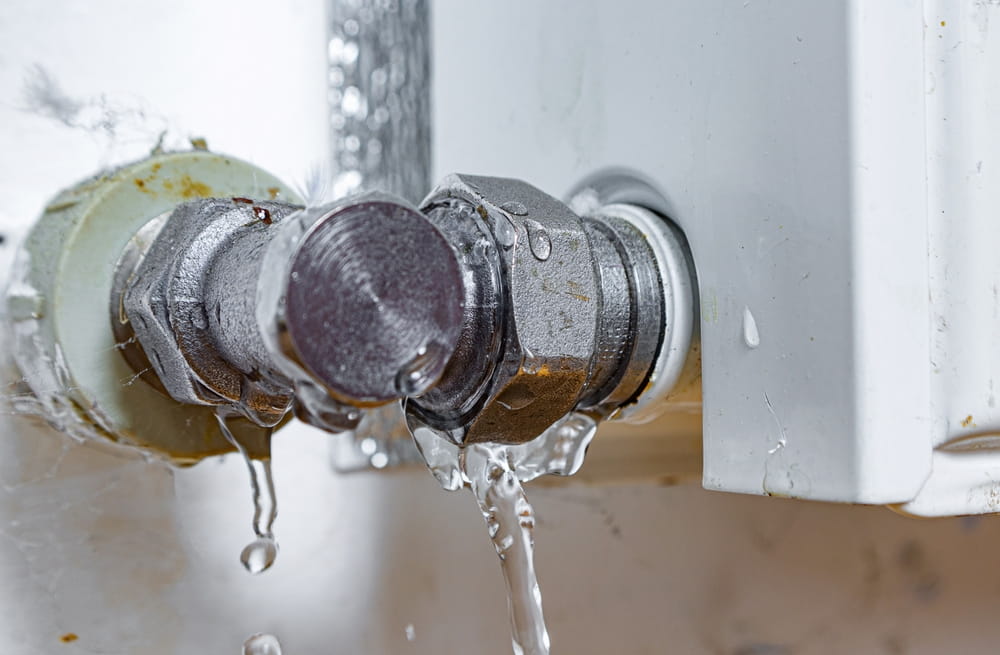
Even slow faucet drips add up over time. Check faucets, showerheads, under-sink supply lines, and outdoor hose bibs for dripping, moisture, or mineral buildup.
3. Slab Leaks
A slab leak occurs when a water line beneath your home’s concrete foundation leaks. This allows water to escape where you cannot easily see it. Watch for warm spots on floors, running-water sounds when fixtures are off, unexplained floor damage, or a steadily rising water bill. Target Plumbing uses professional water leak detection solutions to locate hidden leaks without relying on guesswork.
4. Irrigation System and Outdoor Leaks
Broken sprinkler heads, cracked drip lines, and irrigation valves that fail to close can send water into the ground without creating an obvious puddle. Look for unusually wet soil, greener patches of landscaping, or water flowing after the irrigation system shuts off. Check the system before periods of heavier watering to find damaged components before they increase your usage.
5. Leaking Water Heater
Water can escape from a water heater’s supply connections, tank, or temperature and pressure relief system without immediately drawing attention. Check around the base, pipe connections, and relief valve discharge pipe for moisture, corrosion, or active dripping. Regular water heater inspection and maintenance also gives Target Plumbing an opportunity to identify leaks and worn components.
6. High-Flow or Outdated Fixtures
Older plumbing fixtures may explain why your water bill is so high even when nothing leaks. Toilets, showerheads, and faucets installed under older efficiency standards often use more water during normal daily use than newer WaterSense-labeled fixtures. Replacing high-flow fixtures reduces routine water consumption without requiring major changes to your household habits.
7. Sewer Charges and Rate Increases
If you’re asking, “Why is my water and sewer bill so high with no leaks?” compare your usage and your utility’s current rates before assuming a plumbing problem. Arizona utilities have implemented water and wastewater rate increases in 2026. Compare your current bill with the same period last year and review each line item. If your usage stayed similar while the amount due increased, check your utility’s current rate schedule for an explanation.
Water Leak Detection Tips and How to Check for a Hidden Water Leak
If you need to find a hidden water leak, start with the areas where water enters, flows through, and leaves your home.
- Check toilets: Listen for running water or use the food-coloring test to identify a leaking flapper.
- Inspect fixtures and connections: Look under sinks and around faucets, showerheads, supply lines, and water heaters for drips, moisture, or staining.
- Check outdoor plumbing: Inspect hose bibs, sprinkler heads, irrigation lines, and valves for leaks or unusually wet ground.
- Watch for hidden leak signs: Warm floors, water sounds behind walls, unexplained moisture, or low water pressure may point to a concealed pipe leak.
- Check your water meter: If the meter continues recording usage after you shut off every water-using fixture and appliance, water is escaping somewhere in the system.
What If You Have No Visible Leaks?
If your water bill is high with no leaks, the problem may be hidden or unrelated to a plumbing leak.
- Slab or underground leak: A broken pipe beneath your foundation or underground can waste water without leaving visible signs.
- Meter or billing error: Compare your meter reading with the reading on your bill, and request a re-read from your utility if the numbers don’t match.
- Apartment or shared-line issue: If your water bill is high in an apartment, notify building management and ask how your usage is measured and whether shared plumbing affects your bill.
The Water Meter Test (Step-by-Step)
- Turn off all water use, including faucets, appliances, ice makers, and irrigation.
- Locate your water meter and record the reading. Check the small leak-indicator dial or icon for movement.
- Wait 30–60 minutes without using any water, then check the meter again.
- Compare the readings. A change indicates water is still flowing somewhere in the system.
When the Meter Test Points to a Leak You Can’t Find
If the meter moves but you find no visible leak, a slab or underground pipe may be leaking. Target Plumbing offers professional leak detection to locate hidden leaks and identify the next step.
How to Lower Your Water Bill in Arizona
These water conservation tips are intended to help you reduce unnecessary water use and keep your monthly bill under control:
- Fix leaks quickly: Repair dripping faucets, running toilets, and other leaks before they waste more water.
- Upgrade old fixtures: Choose WaterSense-certified toilets, showerheads, and faucets that use less water.
- Adjust irrigation: Match your watering schedule to seasonal needs and avoid unnecessary watering.
- Check toilets regularly: Use the food-coloring test to catch silent toilet leaks before they increase your bill.
- Run full loads: Wait until your dishwasher and washing machine are full before running.
Contact Target Plumbing
If a high water bill points to a hidden leak or plumbing problem, contact Target Plumbing for professional diagnosis and repair throughout the Phoenix metro area. Call us today at 480-401-8515 to schedule service.
Frequently Asked Questions
Why is my water bill so high if I have no visible leaks?
You may have a hidden plumbing leak, increased household water use, or a change in utility charges. Our water meter test is a useful starting point for checking unexplained water use.
How do I know if I have a slab leak?
Possible signs include unexplained increases in water use, running-water sounds when fixtures are off, warm spots on floors, or unexplained moisture. Contact Target Plumbing to inspect your plumbing and locate a suspected leak.
How do I reduce water usage?
Fix leaks, reduce unnecessary outdoor watering, run full appliance loads, and replace inefficient plumbing fixtures when needed. Regularly check toilets, faucets, and irrigation systems to prevent unnoticed water waste.
Why is my water and sewer bill so high?
Higher water use, changing utility rates, or the way your utility calculates sewer charges may increase your total bill. Review your bill and compare your usage with previous billing periods to identify what changed.
When should I call a plumber about a high water bill?
Call a plumber when your water use rises unexpectedly and you cannot identify the cause, especially if your meter shows water use while everything is off. Target Plumbing will inspect the system and identify hidden plumbing problems.